
The Fabrics Underpinning Righteous Clothing: Comfort Paired With Long-Lasting Strength
Before making a purchase, anyone researching a righteous review usually poses the same question first: what goes into this clothing? It’s a legitimate question, because fabric choice determines all that comes after — how a garment fits after twenty washes, whether it frays at the cuffs, how it sits on the body on a humid afternoon as opposed to a cold morning. This precise concern sits at the core of Righteous clothing’s identity, treating fabric choice as the brand’s core foundation rather than an afterthought added as a footnote to a product description. That approach shows up in the way each piece is put together, from the yarn used to the finishing techniques applied before a garment ever makes it into someone’s hands.
Here, we unpack what goes into we are righteous apparel, why those decisions matter for regular wear, and how the materials stack up against typical fast-fashion alternatives still common in 2026. We’ll additionally examine care, how long the pieces should last, and where the righteous hoodie fits into the brand’s broader lineup. No padding, no vague sales-speak — just the concrete facts that help someone figure out whether this brand suits their wardrobe.
Why Material Selection Shapes a Clothing Brand
Between clothing that endures and clothing that winds up donated within six months, fabric is the single biggest factor. A low-cost, slack-knit cotton blend might seem comfortable on day one, but it deforms after several launderings and starts wearing thin at pressure areas like elbows and underarms. Righteous clothing brand pushes back against that cycle, leaning toward denser, closely woven fabrics that hold their shape even with repeated wear. This goes beyond simple marketing talk — it mirrors a wider shift in how consumers judge apparel now that fast fashion’s environmental and durability shortcomings are well established.
Most shoppers underestimate how much weight matters. Fabric weight is usually measured in grams per righteo.us.com square meter (GSM), and garments under 180 GSM often come across as thin and see-through, while anything above 280 GSM starts to feel structured and structured. Righteous apparel typically falls in the mid-to-heavy range, which is why customers often describe the pieces as feeling “worth the price” rather than thin. Heavier fabric also holds its shape through drying cycles, meaning reduced need for ironing and less frustration on laundry day.
On top of this, how a fabric behaves under tension is also worth examining. Elastic recovery — the ability of a garment to snap back to its original shape after being pulled — is a technical property which distinguishes quality essentials from inferior ones. Since elastane-blended materials, even in small proportions, outperform pure rigid cotton in snapping back, numerous quality garments favor blended builds over single-fiber cloth.
An In-Depth Look at the Righteous Hoodie, Examined Up Close
The righteous hoodie has turned into something of a flagship item for the brand, and for good reason — hoodies are unforgiving garments in terms of fabric quality.
A badly made hoodie droops around the hood, loses its drawstring tension, and starts pilling across the front pocket after just a few weeks.
Thanks to a heavier fleece-back construction, the righteous hoodie provides an inner layer that’s softly brushed paired with an outer shell that remains smooth and durable. This dual-layer method is standard in premium streetwear but conspicuously missing from cheaper alternatives.
The cuff-and-hem ribbing is another detail worth mentioning. The baggy, worn-out droop common to cheaper garments after one season is avoided thanks to tight, well-stitched ribbing that keeps a hoodie’s form unspoiled even after repeated wear and washing. Under everyday movement — reaching overhead or hauling a backpack, say — strengthened seam stitching, particularly where the sleeve meets the body, lowers the likelihood of ripping.
Customers writing a we are righteous review often single out the hoodie’s weight and drape as reasons for repeat purchases. A hoodie that hangs correctly, without bunching at the waist or pulling at the shoulders, signals that the pattern-cutting behind it was done with actual wearability in mind, not just cost efficiency. That level of attention is one of the clearer signs of a brand thinking long-term rather than chasing short production cycles.
It Delivers Ease and Tailoring, With No Compromise Between Them
Comfort is down to individual taste, but there are objective elements that shape it: breathability, weight distribution, and how a fabric moves with the body. Righteous’s designs gravitates toward textiles offering both softness and the backbone to preserve a garment’s intended form. This matters especially for roomier, relaxed-fit garments, since overly soft, bodyless fabric can leave them looking formless.
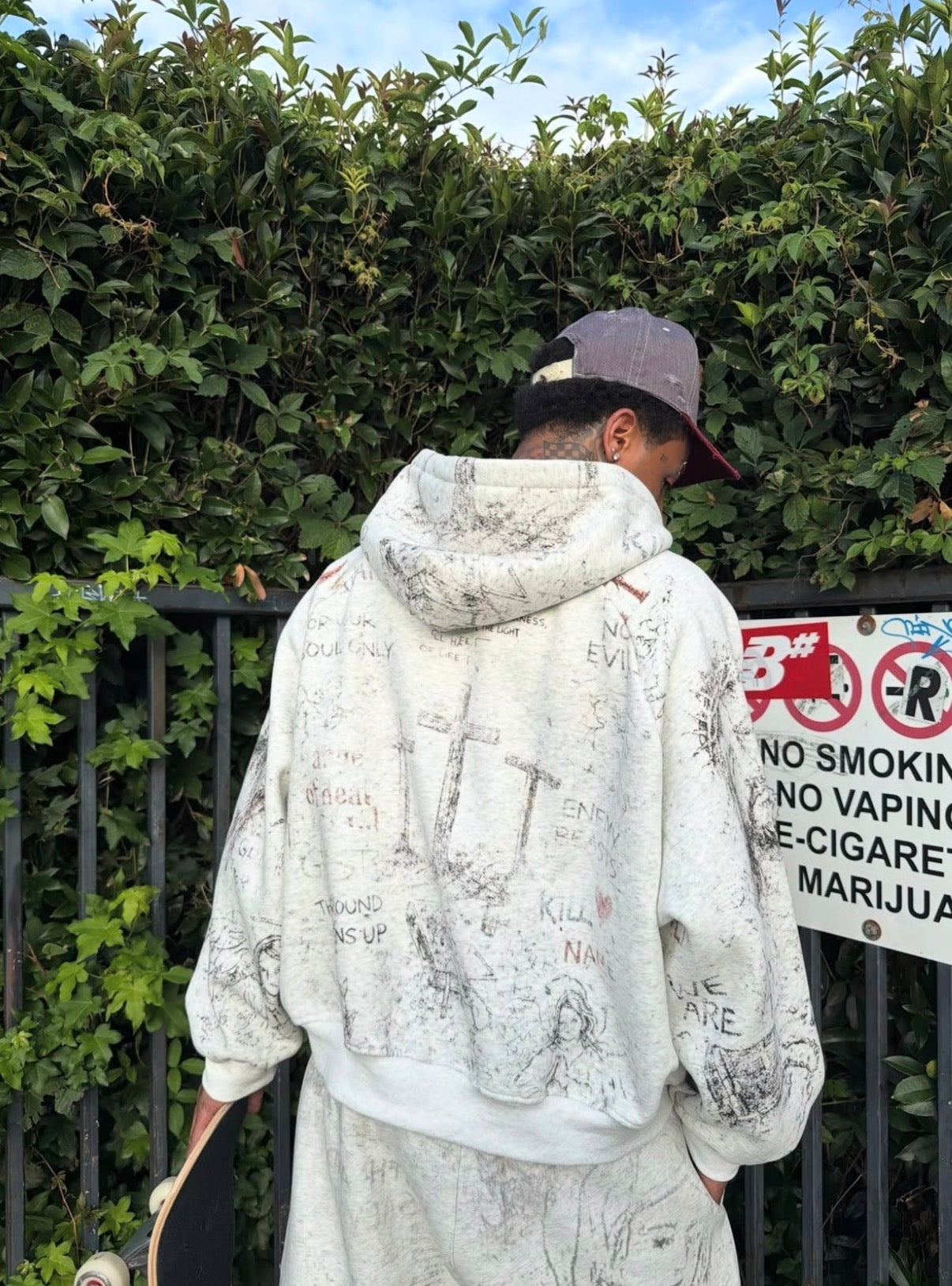
How well a fabric breathes comes down largely to fiber composition and weave density. Cotton-heavy blends allow better airflow than fully synthetic fabrics, explaining why righteous apparel prioritizes cotton-forward compositions for garments designed for daily use, holding back more engineered or performance-driven fabrics for certain designated categories. Nothing here is treated as universal, and that’s by design — a hoodie built for chillier seasons demands something different from a lightweight tee designed for warmer weather.
Thermal balance is also a factor in how a piece is judged as time passes. When fabrics trap warmth unevenly, they tend to feel awkward during changeable weather, while well-chosen blends adjust more naturally. Small as it seems, it’s the kind of difference that reveals whether a brand has vetted its materials over time or simply skipped that step.
What Genuinely Stands the Test In the Long Run: Wear Resistance
Durability isn’t just about the fabric itself — it hinges on all the parts functioning in unison: stitching, seam reinforcement, dye quality, and even the hardware used on drawstrings or zippers.
Righteous clothing brand has built a reputation partly on reinforced double-stitched seams, which reduce the likelihood of unraveling at pressure points.
This is a relatively low-cost manufacturing decision that makes an outsized difference in how long a garment survives regular wear and washing.
Color retention is one more overlooked marker of long-term quality. Inexpensive dyes lose vibrancy noticeably after ten to fifteen washes, resulting in garments looking drab and mismatched. Better-grade dyeing processes, particularly reactive dyeing methods used on cotton-based fabrics, hold onto hue far longer and withstand the dull, worn-out effect that undermines budget apparel. Such careful attention paid during dyeing, rather than luck, is often what buyers who come across a righteous review note when colors hold vivid even after months of regular wear.
Fiber length and yarn quality are the real drivers of pilling resistance. Under friction, cheaper short-staple fibers pill quickly, unlike longer-staple cotton fibers produce smoother yarns able to resist the tiny fiber fraying behind pilling. When you first buy it this detail is invisible to the eye, yet it shows up clearly after a month of wear, which is exactly why it matters so much to satisfaction over the long run.
The Reasons Righteous Differs From Ordinary Fast Fashion
Seeing the distinction in solid language is more useful as opposed to depending on generalized assertions. Below, the table summarizes typical traits typical of fast-fashion basics as measured against the principles righteous clothing aims for throughout its principal apparel ranges.
| Quality Point | Off-the-rack Fast Fashion | The Way Righteous Clothing Handles It |
|---|---|---|
| Fabric Weight | Thin to the touch, typically under 180 GSM | A more substantial fabric weight designed for form plus longevity |
| Seam Construction | One layer of seam work that frays easily | Reinforced seam work doubled up where strain is highest |
| Colorfastness | Washes out within 10–15 washes | Employing a reactive-dye method so hue lasts longer |
| Fit Retention | Quick to sagging, losing shape fast | Fibers blended to enhance how well it recovers from stretch |
| Resistance to Pilling | Pills heavily inside just weeks | Fabric pilling gets minimized thanks to longer-staple fibers |
We’re not talking about bold, showy contrasts — they’re the type of step-by-step construction calls that add up over months of ownership. A shopper comparing two hoodies side by side in a store might not notice fabric weight immediately, but they’ll notice it after the first wash cycle, and they’ll definitely notice it after the tenth.
Ways to Maintain Your Apparel and Extend the Item’s Life
Even the most carefully constructed garment can’t be expected to last if it’s cared for poorly, so sound washing routines matter just as much as material quality. Using cold water to wash maintains both colour vibrancy and fiber integrity far better than hot water, which hastens dye fading and fabric degradation. Turning garments inside out before washing also lessens abrasion on the fabric surface, protecting printed designs and cutting down pilling on the outward-facing side of the fabric.
Choosing air drying, or failing that, a low-heat tumble setting, helps keep shrinkage and fiber stress at bay, both of which result from high heat over repeated cycles. This is notably relevant for denser fabrics like the ones used in the righteous hoodie, where high heat can cause the fleece backing to flatten and lose its softness over time. Such straightforward routines frequently decide whether a garment lasts one year or three, adding real extra life along the way.
Keeping garments folded rather than on hangers also helps knitwear and hoodies keep their original shape, since hanging heavier garments can pull out the shoulder seams and neckline over time. These are small, unglamorous details, but they’re exactly the kind of practical advice that turns a good purchase into a long-term wardrobe staple.
Final Thoughts on Righteous’s Approach to Materials
Underlying any clothing brand’s real story is its material choices, and righteous clothing has clearly shaped its identity on nailing the basics, not on flashy marketing alone. From the weight of the fabric to stitching reinforcement to how well dye holds, every decision reflects a brand focused on how a garment holds up six months or a year down the line, not just how it photographs on day one. This is a notable distinction in a market still dominated by quick-turnover fast fashion.
For anyone weighing a we are righteous review before purchasing, the practical takeaway is straightforward: the brand’s approach to fabric selection, garment construction, and finishing reflects real attention to comfort and durability, not just surface-level trends. Whether it’s the comfortable structure of the righteous hoodie or the broader lineup of righteous apparel, the materials are doing quiet, consistent work behind the scenes — which, ultimately, is exactly what good clothing should do.